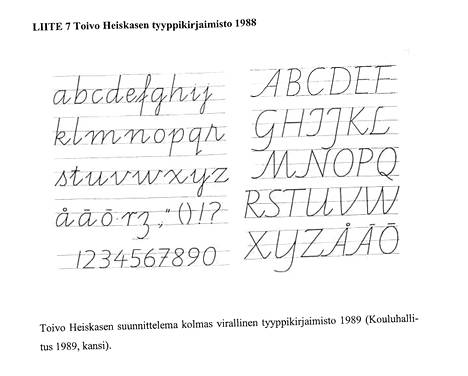
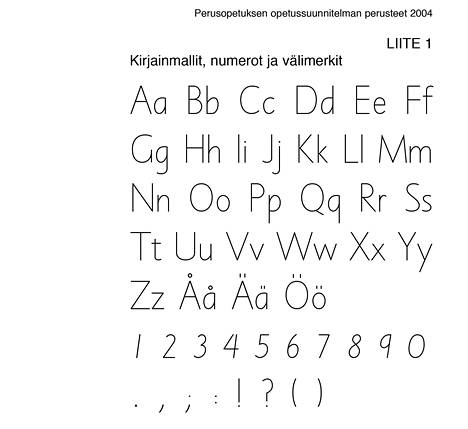
It might be based on the handwriting standards used in your country. Where I live we were taught at school to draw a horizontal bar on 7 and avoid the serif on 1:
No chance of confusion. This seems to have prompted some to add the serif to their 1 for stylistic reasons or whatever, since it's still distinguishable from 7 with a bar.
But then again people following older or newer conventions drop the bar from their 7:
This makes a singular 1 with sloppily drawn serif hard to distinguish from a 7 without horizontal bar unless you can also see how the same person draws the other digit in their style.
An alternative way, that makes the "1"s a bit less ambiguous, is to draw a bar at the bottom. So even if you put the serif on the 1, and write it sloppy, you still have the bar at the bottom.
My handwriting has always been pretty sloppy. My 9s come out like your 7s when I don't close the loop properly (I start at the bottom).
People confuse my lowercase r's for n's all the time too for a similar reason. Either I loop a little too much or I drag down the overhang so it basically is an n.
Suggestion: after "a longer ID with a lower chance of visual ambiguity" show how many characters that will be needed to have the same number of IDs as 53^8 using the 22 encoding.
I.e. for a given number of IDs, how many characters are needed in the 53 versus 22 encoding (people who are not good at math might assume it is more than twice as many).